
Guide for Holiday Survival
The holiday time is shown as a happy and festive time, but it can also present special hurdles for mental health. With the many activities, family issues, and pressure at year’s end, it is important to keep a balance. In this blog, we will look at useful tips for your mental health, so you can enjoy the holidays while staying refreshed. From self-care methods to building emotional health and strong social ties, these tips are meant to assist you in getting through the season with assurance and care.
Taking a break from therapy during holidays can recharge you. Here are some tips for your mental health during this festive time:
1. Take Care of Yourself
Mindfulness and Meditation: Use techniques like meditation or deep breathing to feel stable.
Physical Activity: Do regular exercise, like walking, yoga, or dancing.
Healthy Eating: Choose nutritious foods for your body and mind.
Sufficient Sleep: Try to get 7-9 hours of good sleep each night.
Limit Screen Time: Cut back on social media and news.
Connect with Nature: Spend time outside, like walking in a park or gardening.
2. Emotional Well-being
Journaling: Write your thoughts and feelings to sort out emotions.
Creative Outlets: Try hobbies like painting, writing, or music.
Limit Stressors: Don’t take on too much and set limits.
Practice Gratitude: Think about the good things in your life.
3. Social Connection
Quality Time: Be with loved ones who support you. Limit Toxic Relationships: Stay away from people who drain your energy.
Join Social Groups: Meet others who have similar interests.
Check in: Contact those who might be having a hard time.
Time: Focus on spending time with important people rather than spending money.
Keep Calm: Understand that family gatherings can be tough. Stay calm and help others do the same.
Remember: It’s normal to feel stressed during the holidays. If you feel you are struggling, reach out to a friend, family member, or mental health professional.
Here are more resources that can help:
Beyond Blue: 1300 22 4636
https://www.beyondblue.org.au/
Lifeline: 13 11 14 https://www.lifeline.org.au/
Some other ideas to help are these great eBooks.
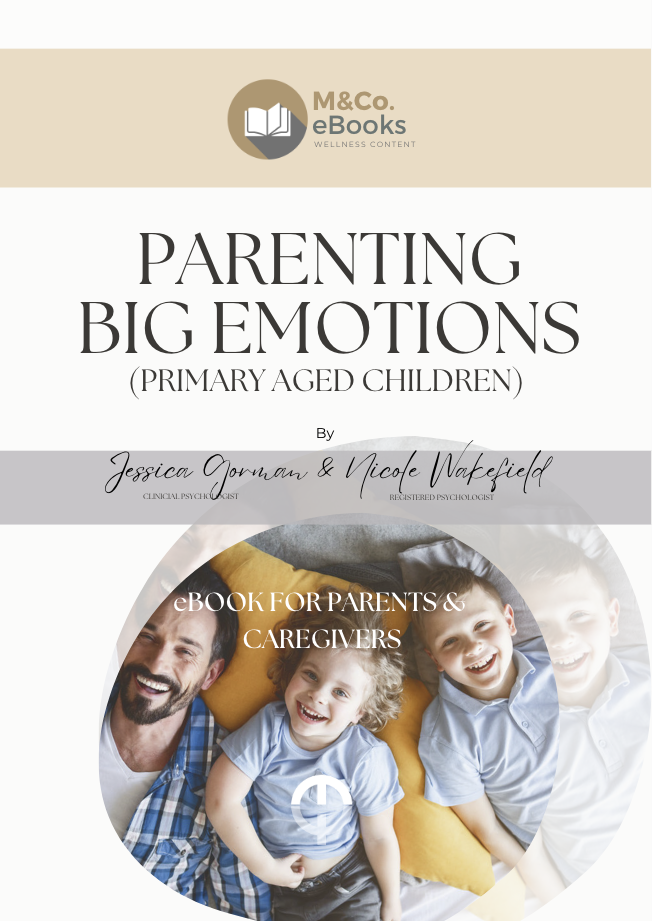
In this eBook, we will explore the topic of "Parenting Big Emotions." We will start with brain development and emotions, followed by understanding typical emotional responses. Then, we will delve into the when, what, and how to take action when emotions run high. We will also discuss, establishing emotional stability in kids, and role modeling self-regulation, self-awareness, and resilience.

Build a Stronger, More Passionate Relationships with Psychology-Based Insights! Stronger love starts here! Discover how to deepen intimacy, improve communication, and build a lasting, passionate relationship. This psychology-based guide explores attachment styles, emotional connection, and conflict resolution—helping you and your partner grow together. Perfect for couples ready to strengthen their bond!
In today's fast-paced world, where genuine connections can sometimes feel elusive, the pursuit of meaningful intimacy is more important than ever. Through my years of experience working with individuals and couples, I've come to understand the profound impact that deep, authentic relationships have on our overall well-being.
In this eBook, we'll embark on a journey to explore the various facets of intimacy, from understanding the stages of relationships to unravelling the intricacies of attachment styles. We'll delve into the importance of open communication, mutual respect, and the cultivation of emotional bonds that form the foundation of lasting connections.

As a clinical psychologist, Rochelle Masters has a special interest in educating parents and caregivers of children. Anxiety is a general term, and can manifest in various ways having a significant impact on a child's overall wellbeing, academic performance, and social relationships.
Anxiety is a normal human emotion that helps us identify and respond to potential threats or dangers. However, excessive anxiety that interferes with a child's daily activities can be a cause for concern. Anxiety disorders are the most common mental health disorder among children, affecting approximately 1 in 8 children. Common anxiety disorders can include specific phobias, social anxiety disorder, generalised anxiety disorder, and separation anxiety disorder. Children with anxiety may display various warning signs and symptoms, such as excessive worrying, restlessness, difficulty sleeping, irritability, fatigue, and physical symptoms such as headaches, stomach aches, or nausea. Additionally, children with anxiety may have difficulty concentrating or making decisions, and may avoid social situations or activities they once enjoyed. It is important for parents and caregivers to be aware of the warning signs and symptoms of anxiety, as early intervention and treatment can significantly improve a child's overall wellbeing and quality of life.
In this eBook, we will explore practical strategies and techniques for parents and caregivers that have been purported to help children manage anxiety effectively. By better understanding the warning signs and symptoms of anxiety, parents and caregivers can assist children develop the necessary coping skills to navigate and overcome anxiety, leading to a happier and healthier life.